Costs
Part of Silent workspace ideas grouped by the noise problem they solve
What is a silent workspace budget actually made of, bucket by bucket?
No prices are quoted here. What a quiet workspace budget is actually made of, which costs recur, and how to get real numbers for your own building.
What to take away
- Five buckets carry the whole spendfree changes, consumables, furniture, fitted work, and professional help.
- A home desk runs $100 to $450 one-off, then $20 to $60 a year.
- One small shared room lands in a typical $1,700 to $5,400 band, before reinstatement.
- Labor and access beat materials in every fitted job.
- Fitted work in a rental carries a second bill when you leave.
The five buckets and their price bands
Every cost in a quiet workspace falls into one of five buckets. Only two of them come back.
| Bucket | What you buy | Typical one-off range (US) | Recurs |
|---|---|---|---|
| Free changes | Moving the desk, changing hours, placement, headphones | $0, plus a few hours | No |
| Consumables | Desk mat, felt pads, O-rings, seals | $30 to $150 | Yes, $20 to $60 every 1 to 3 years |
| Furniture | Chair, desk, screen, shelving, rug | $250 to $1,400 | Rarely, 5 to 10 years |
| Fitted work | Door replacement, floor build-up, wall panels | $600 to $4,000 for one small room | No, but removal costs |
| Professional | Survey, design, trade labor | $300 to $1,500, plus $60 to $120 an hour | Per project |
Five Cost Buckets
Bucket
- Nothing
- Desk move, hours, habits
- Consumable
- Mats, felt, pads, seals
- Furniture
- Chair, desk, screens, shelving
- Fitted work
- Panels, floor, door
- Professional
- Measurement, design, labor
Contents
- Nothing
- No
- Consumable
- Every few years
- Furniture
- Rarely
- Fitted work
- No, removal costs
- Professional
- Per project
Recurs
- Nothing
- Consumable
- Furniture
- Fitted work
- Professional
These are indicative US ranges, not quotes. Access and occupancy move the price, and Canadian figures usually land higher after conversion and duty.
The fitted bucket is also where a lease sets the bill. Leases and building codes shape a quiet desk setup more than any product spec, so read the terms before ordering a door or a floor build-up.
Example: a home desk and a shared room
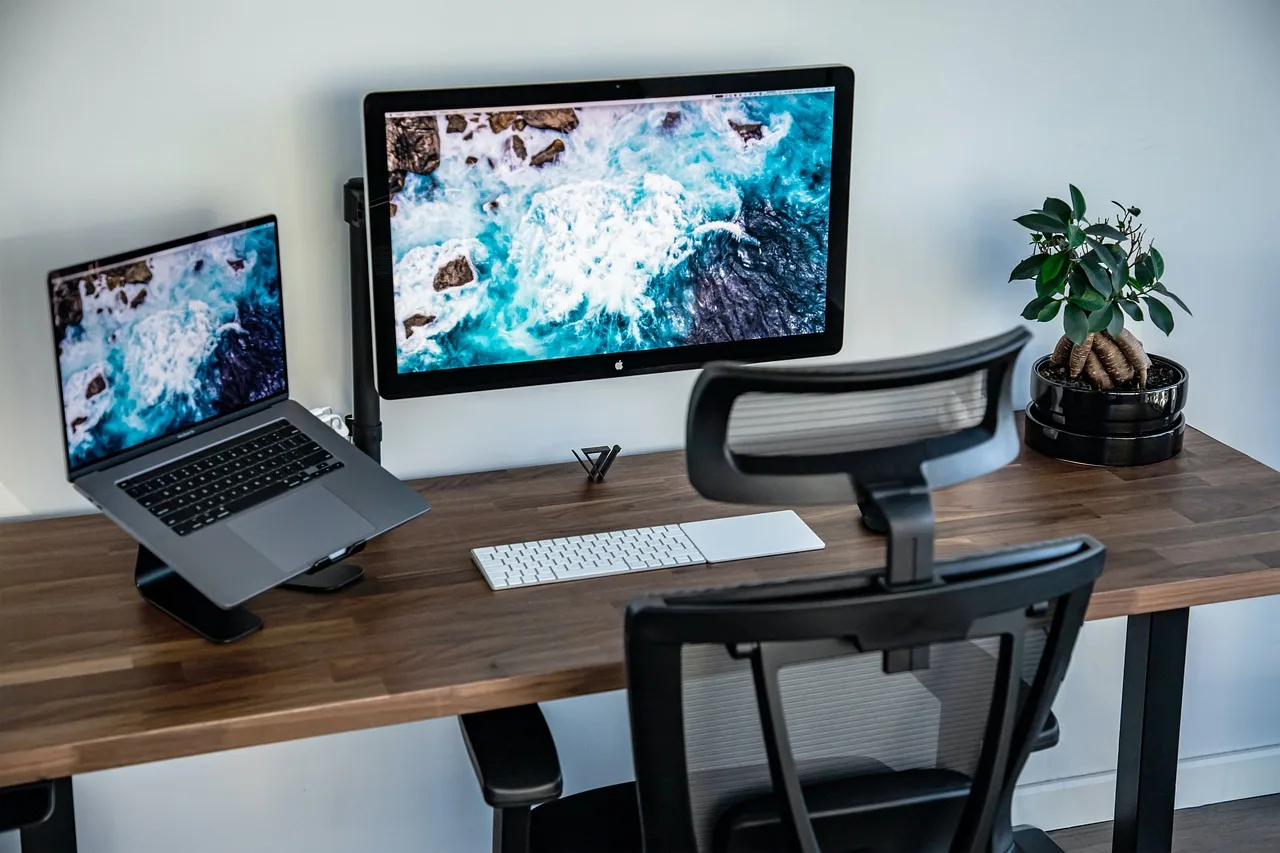
A home office for one person, keeping the existing desk and chair:
Home desk example
- Free changes
- $0
- Consumables
- mat $35, felt pads $8, O-rings $12, door seal $25, about $80
- Furniture
- one desk screen at $120
- Fitted work and professional help
- none
One-off total: about $200. Recurring: roughly $30 a year.
A shared meeting room of about 300 square feet:
Typical total: $1,730 to $5,420, plus reinstatement at the end of the lease.
What recurs, and how often
- every 1 to 3 years, $20 to $60.
- every 1 to 2 years, $5 to $20 for a full set.
- every 2 to 4 years, $10 to $40.
- 5 to 10 years, though a move often forces the decision sooner.
- no fixed cycle, so budget it per project.
Only the consumable bucket behaves like a subscription. Separating one-off costs from what recurs is the fastest way to price a mat or a keyboard.
Why quiet bought at the start costs less
NIOSH guidance on eliminating or reducing noise states that retrofitting noisy equipment costs far more than designing it to run quietly from the start. It recommends comparing noise data before purchase, measured the same way for each option.
The same logic applies to a keyboard or a door closer. That page also cites a conservative estimate of $100 saved per A-weighted decibel.
The figure comes from industrial settings such as machinery and tools. Treat it as an industrial number rather than a desk benchmark.
Getting real numbers for your own building
- Write the complaint as a physical factwhich room, which hours, what sound.
- Ask three contractors for one written scope, priced as physical changes.
- Ask what measurement is included before and after the work.
- Ask for the job priced twice, as the fitted version and the portable version.
- Hold back a line for reinstatement if you rent.
Which jobs come first matters, and the order these fixes should go in keeps cheap work ahead of expensive work. Ask the installer to walk the noise path before anything is ordered.
In an employer-run office, the limits sit under the OSHA occupational noise standard, so ask the facilities team what it has to meet before you price anything.
A study modeling acoustic material selection in office design treats the job as an optimization problem: meet the acoustic target at the lowest material cost. Specification comes first, material second. Quotes that skip that stage leave you comparing prices for different jobs.
Costs that surprise people
- Reinstatement and removal at the end of a tenancy.
- A second visit when the first fix treated the wrong noise path.
- Replacement furniture after a desk or chair change.
- Storage for the parts you remove and cannot bin.
- Your own time, usually the largest single line.
Removal is priced by the hour and by disposal, so ask for it as its own line.
Pads compress and seals harden, so a short seasonal check belongs in the plan as an hour rather than a purchase. Two visits in the first year are common when the first attempt treats the wrong path, and that cost rarely appears in the original quote.