Rules
Part of Real published field research beats an invented workspace case study
Do quiet workspace studies actually record more than you realize?
What workplace studies record, and: field research on home offices measures rooms, bodies and habits. What that tells you about consenting to a workplace assessment.
If your employer offers a workspace assessment, or a researcher asks you to take part in a study, know what these exercises actually collect. Published field research is a good guide, because its methods sections are explicit in a way an internal program rarely is.
What to take away
- Home office studies measure the room, not only the workerlayout, light, temperature, sometimes radiation.
- Surveys ask where in your home you work, which is more revealing than it sounds.
- Published research declares its method and its ethics approval. An internal assessment often declares neither.
- Ask what is collected, where it is stored, who sees it, and how long it is kept, before agreeing.
What a measurement study actually records
More than people expect. A study of home working posts in neighborhoods of a Brazilian city carried out ergonomic analyses in people's homes. It measured temperature, extremely low frequency non-ionizing radiation, illuminance, physical layout characteristics and physiological parameters of the teleworkers themselves. That is a detailed picture of somebody's home and body.
What a home study measured
- Temperatureindoor air
- ELF non-ionizing radiationexposure
- Illuminancelight levels
- Physical layoutroom arrangement
- Physiological parametersthe worker's body
In a research setting it comes with consent procedures and ethical review. The same data collected informally by an employer would not automatically come with either.
What a survey records
Less instrumentation, more context. A cross-sectional study of 204 teleworkers in Quito, Ecuador, found that respondents had rearranged their bedrooms in order to work, and reported on ailments before and after the shift to working from home.
Read that as a privacy point as well as an ergonomic one: a home office survey maps the inside of your home, who you live with, and where you sleep. That is ordinary and useful data for research and it is personal data by any definition.
Questions worth asking before you agree
Questions worth asking
- What exactly is collectedphotographs, measurements, video, self-reports?
- Is any of it identifiable, and can it be separated from your name?
- Where is it stored and for how long?
- Who inside the organization can see it, and can a manager?
- Can you withdraw, and what happens to the data if you do?
None of these are hostile questions. A well-run assessment has answers ready, and an assessment that treats them as awkward has told you something useful about how the data will be handled. Ask them in writing if you can, because the reply becomes part of the record and takes about a minute to produce.
Five questions before agreeing
- What exactly is collected?
- Is any of it identifiable?
- Where is it stored, and how long?
- Who inside can see it?
- Can you withdraw, and then what?
Photographs are the awkward part
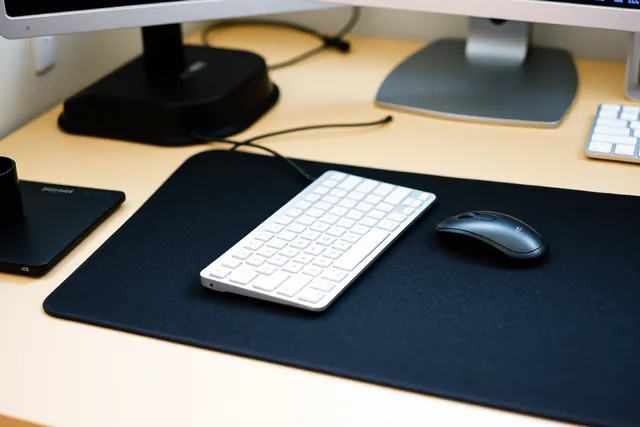
Most workspace assessments ask for photographs, because they are quicker than a visit. A photograph of a home desk includes the room, whatever is on the screen, whatever is on the wall and often somebody else's belongings. Take the photograph deliberately: clear the desk of documents, close the applications, and check the background before sending it.
Where this leaves you
Take part, and ask the five questions first. The information is genuinely useful and the collection is genuinely personal, and both things are true at once. The related mistakes at a home desk are collected in privacy mistakes people make, and the argument for reading published research rather than invented stories is in published field studies worth reading.