Rules
Part of The quiet setup mistakes that waste the most time
Privacy mistakes people make while making a desk quieter
Privacy mistakes people make while making a desk quieter: chasing quiet often means adding microphones, speakers and cameras to a room. The privacy errors that come.
Quieting a desk usually adds devices. A masking speaker, a headset with a boom microphone, a smart plug for the fan, a second machine to keep work separate. Each of those is a small privacy decision, and taken together they are the reason a quiet room can end up less private than a noisy one.
What to take away
- A device that listens for a wake word is listening. That is how it works, not a defect.
- Deleting old recordings and checking what is connected are the two highest-value habits.
- Work data on a personal device is the mistake with the longest tail.
- A photograph of your desk gives away more than most people expect.
Mistake one: adding an always-listening device to the room you work in
A voice assistant in a home office is convenient and it is a microphone in the room where you take calls. The FTC's consumer guidance on securing a voice assistant lays out the practical steps: know when it is listening, look for a physical control that stops it, read the privacy policy to see how recordings are handled and whether you can opt out of human review, delete old recordings, use a strong login with multi-factor authentication where it is offered, and check which other accounts are connected to it. The guidance also notes the ordinary failure mode, which is that these devices sometimes mishear and activate when nobody meant them to.
The desk-specific version is simple. If the room is where confidential calls happen, the assistant belongs in a different room.
Mistake two: letting work data drift onto personal kit
The second keyboard, the personal laptop used because the work one is loud, the phone used as a sound meter that ends up holding work photographs. The FTC's business guide on protecting personal information is written for organizations, and its opening premise applies to a desk: sensitive information about customers or employees is held because it is needed to do the work, and the cost of it going wrong falls on whoever held it. If you handle other people's data, the device it sits on is not a casual choice.
Mistake three: photographing the desk
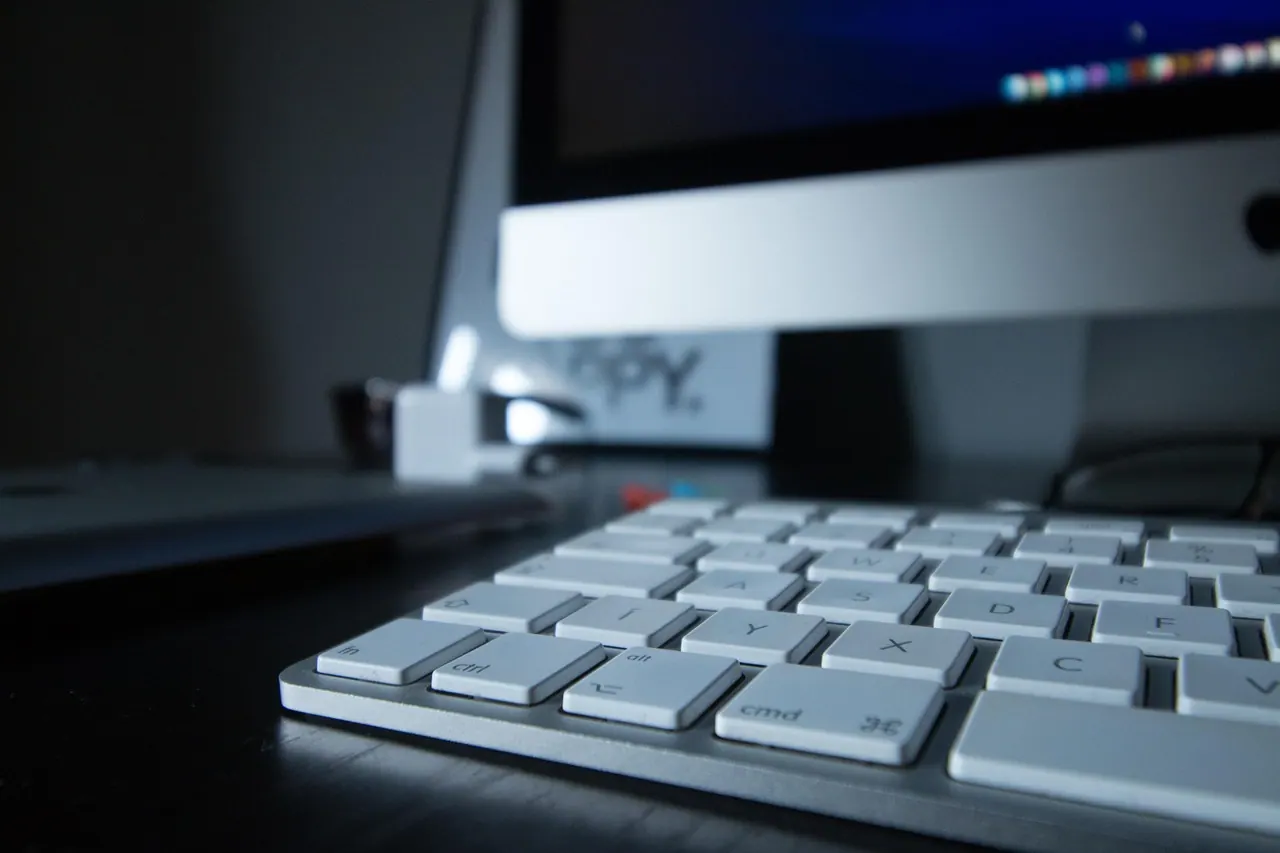
Setup photographs are the most common accidental disclosure in this hobby. Screens, whiteboards, delivery labels, printed pages and the view out of a window all end up in frame. Check the picture at full size before posting it anywhere, and check the reflections.
Mistake four: the call itself
- Headsets with open microphones pick up the room, not just you.
- Push to talk is a privacy control as well as a courtesy.
- A masking speaker near a microphone is transmitted along with your voice.
- Camera framing shows what is behind you all meeting, not just at the start.
Mistake five: assuming quiet equals private
A quieter room is easier to be overheard in, because your voice no longer competes with anything. If the reason for the project was confidentiality rather than comfort, the answer is a different room or a door, not a different keyboard. The related buying questions are in privacy questions about quiet keyboards, and the general process errors are in the mistakes that waste the most time.
Common questions
Should I unplug the smart speaker during calls? Muting the microphone with a physical control is enough for most people. Unplugging is more certain, and inconvenient enough that it will not last.
Are wired headsets more private than wireless? Marginally, in that there is no radio link to attack. The bigger issue is whether the microphone is open, which is the same either way.
Is it a problem to use a personal phone to measure office noise? Only if you store recordings of conversations. Keep measurements as numbers, not as audio, and delete the audio afterwards.
What is the most overlooked risk? The room behind you on camera. It is visible for the whole call and nobody checks it after the first minute.